Ice mold guides4 min read
Silicone vs. Plastic Ice Molds: What Actually Matters for Cooler Performance
Read guide →
 Silicone Manufacturer
Resources / Article directory
Procurement, product development and cold-chain guidance for buyers of custom silicone ice molds.

No article matches that search. Try “cooler”, “branding” or “sizing”.
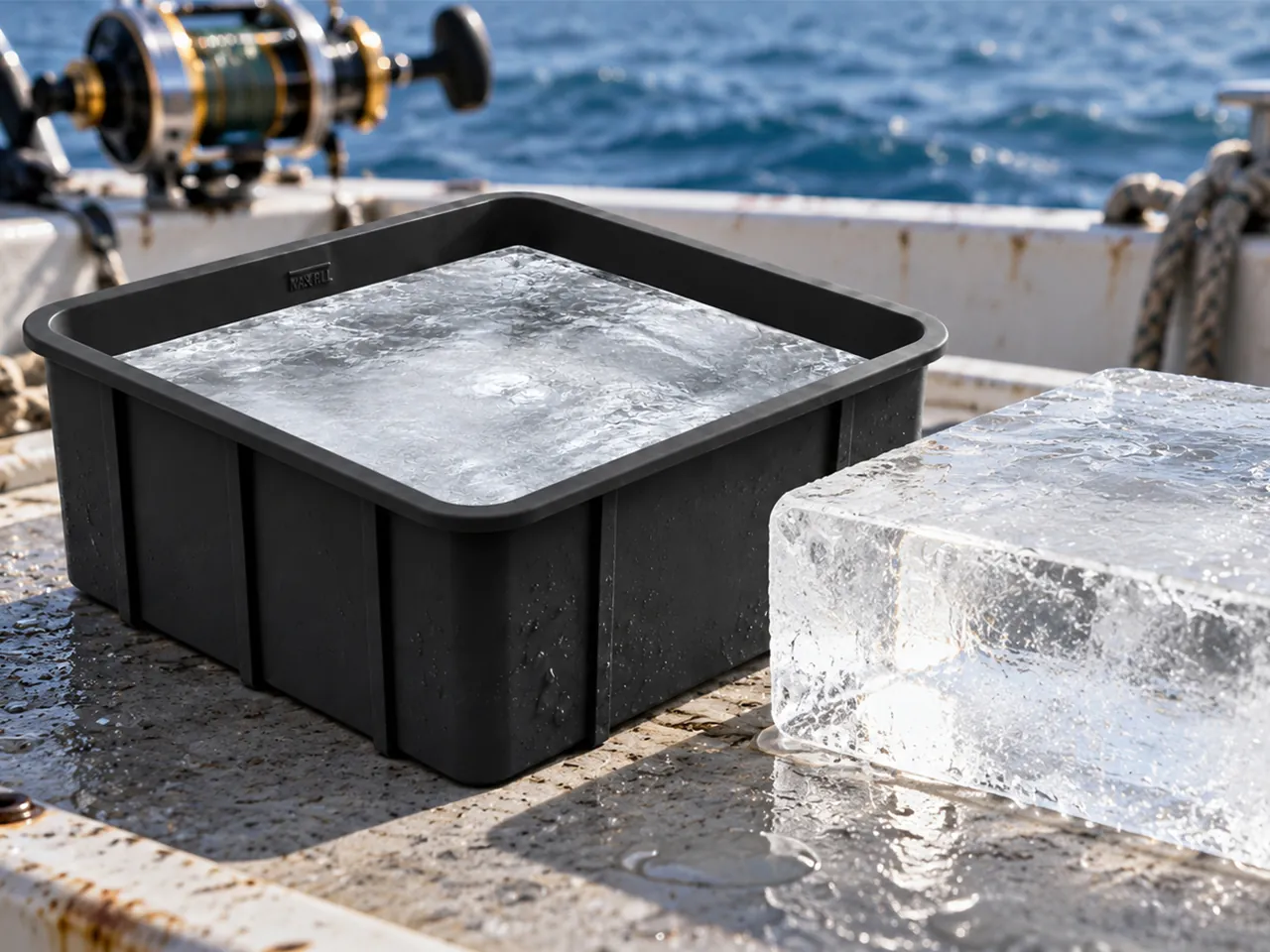
Buyers usually compare silicone and rigid plastic molds on price per unit. That number matters, but it is rarely the one that decides whether a program succeeds. Three things actually decide it: how the block releases, whether it cracks under load, and how the mold survives a season of being thrown in and out of a cooler.
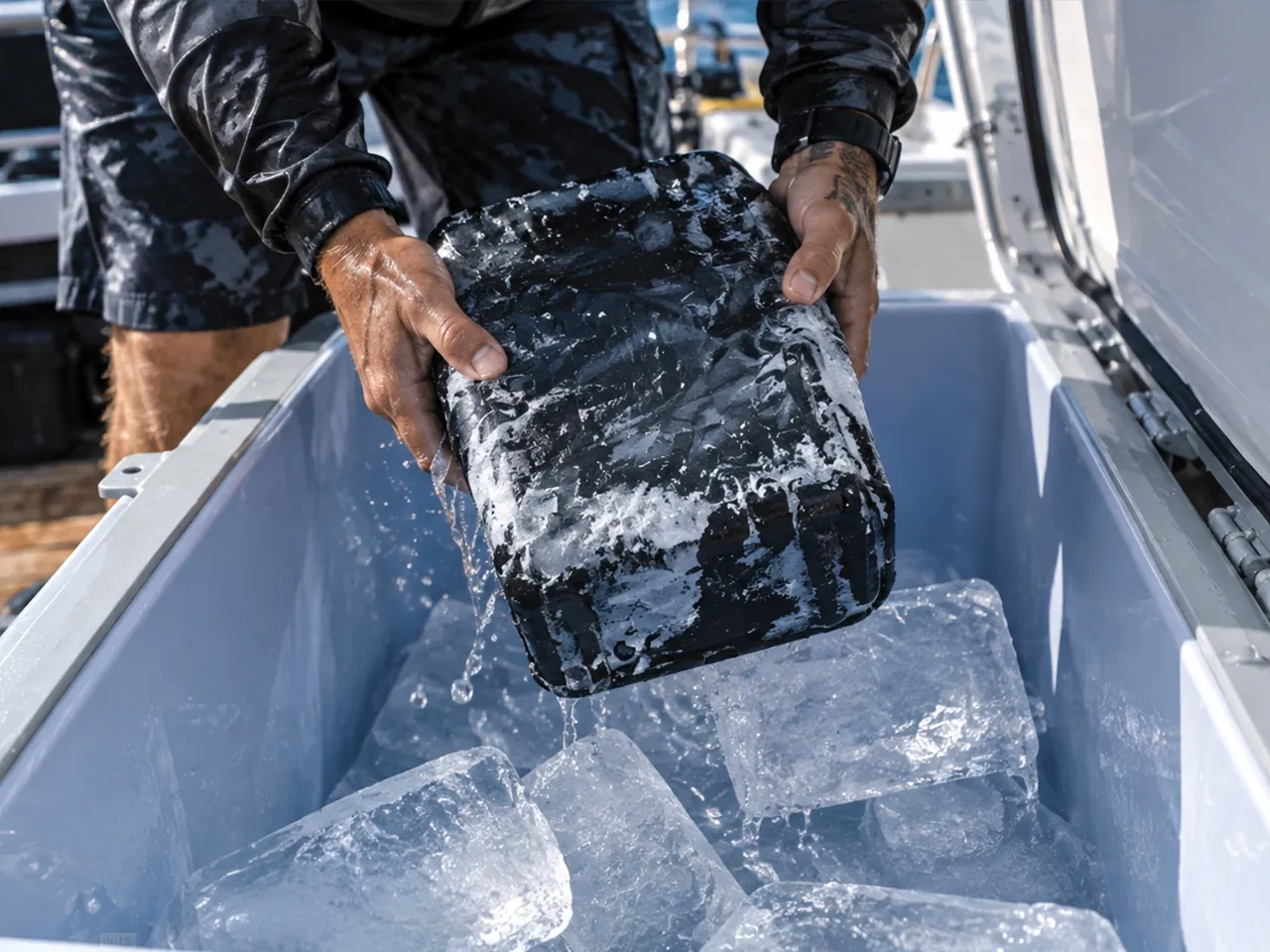
A big block is heavy. In a rigid tray you either twist the tray — which is where cracks start — or you run water over the outside and wait. Silicone flexes, so the block peels off the wall with a pull rather than a fight. In our own testing we time the release step; it is the single most common complaint we hear about rigid trays in the field.
Thin walls flex easily but insulate poorly and can tear at the corners after repeated use. Thick walls release stiffly and slow down the freeze. Our large-format molds sit around 2.5–3 mm at the wall with a reinforced rim, which keeps the pull smooth while holding shape when the mold is empty and being stacked.
Plastic trays crack at the corner radius first. Once a corner cracks the tray leaks, and a leaking tray is out of service. Silicone does not crack, but it does tear if the rim is under-designed — which is why the rim, not the wall, is where we spend the tooling budget.
A mold that releases in one pull gets used. A mold that needs a soak gets left in the shed.
If you are comparing quotes, ask for wall thickness, rim construction and a release demo on video. Those three answers tell you more than a price list.
Back to all articles ↑One large block and the same weight in cubes do not cool the same way. Cubes give you fast contact cooling and melt quickly; a single block gives you a slow, steady release and holds shape for days. For multi-day trips, block geometry matters more than total mass.
The most common mistake is packing a cooler to the lid. A 2–3 cm air layer above the block lets cold air circulate and roughly doubles usable hold time compared with a cooler crammed full. Pre-chilling the cooler for 20 minutes before loading the block does more for day-two performance than adding another kilo of ice.
Rotomolded lids often taper. A block that fits the floor of a 65 qt may stop the lid from seating, and a lid that does not seal loses most of its insulation value. Ask for the internal height at the lid, and size the block 1–2 cm under it.
Back to all articles ↑Private label on a silicone mold is mostly a question of where the branding can live without touching the food-contact surface, and at what volume the tooling starts to pay for itself.
Food-grade silicone can be matched to a Pantone reference within a reasonable tolerance, but translucent colours shift with wall thickness. Send a physical swatch rather than a screen colour, and expect a small delta on very light or very saturated shades.
Embossing a logo into an existing mold size is a low-cost change. A new block geometry needs a new tool, which only makes sense above a certain annual volume — below that, a stock mold plus a printed sleeve or hangtag gets you brand presence without the tooling spend.
Send us your artwork, target cooler size and annual volume, and we will come back with the two or three configurations that actually fit the budget.
Back to all articles ↑